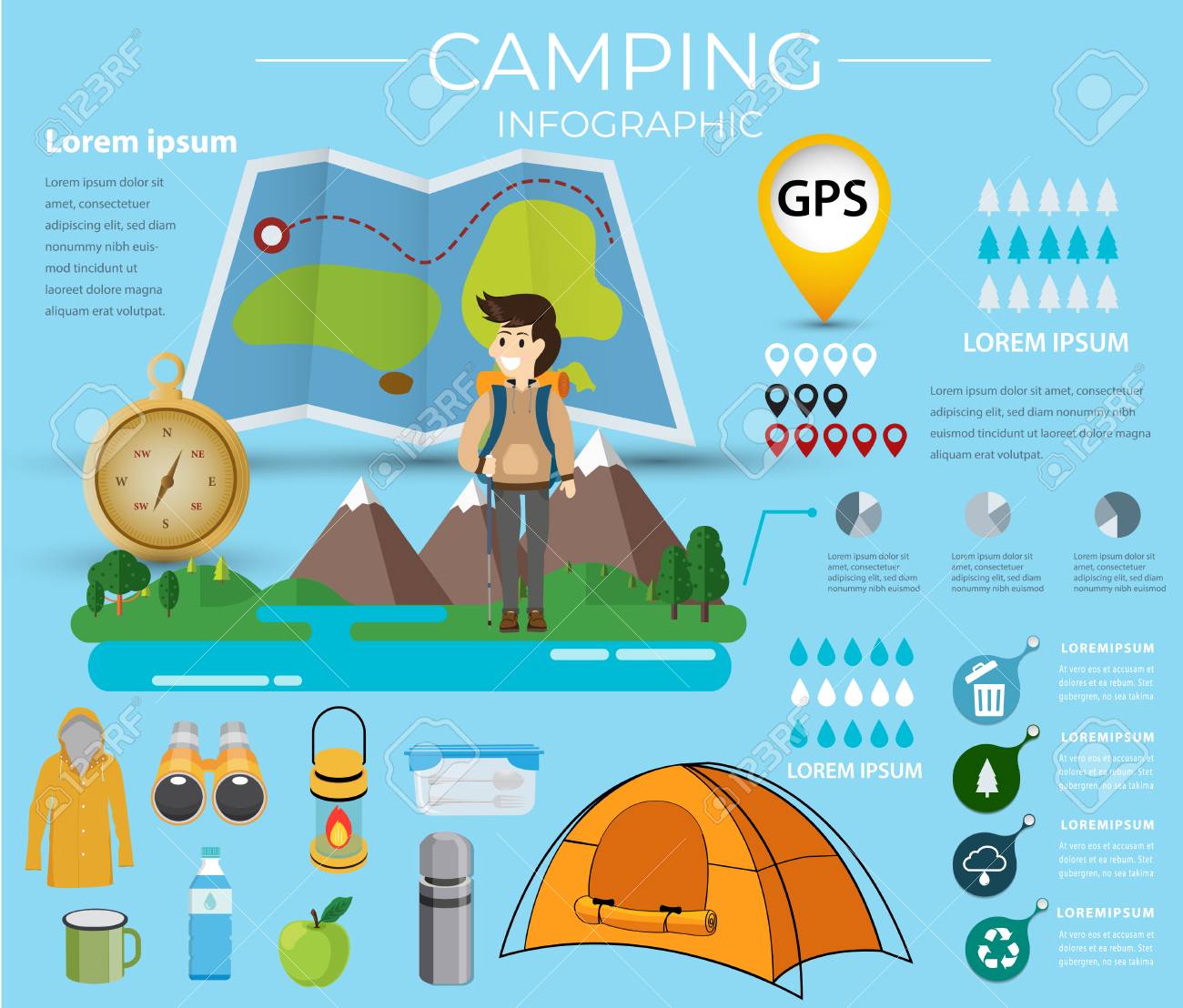
How Water-proof Scores Help Camping Gear
If you've ever before stood in a downpour with a soaked resting bag or woken up to a pool inside your tent, you currently understand just how much waterproofing matters in the outdoors. Yet walk right into any type of gear shop and you'll find labels plastered with numbers, acronyms, and rankings that can really feel much more confusing than practical. What does "10,000 mm" in fact indicate? Is IPX4 much better than IPX6? Here's a clear failure of exactly how water resistant rankings work-- so you can shop smarter and stay drier.
The Hydrostatic Head Ranking: What Those Numbers Mean
The most typical water-proof ranking you'll see on camping tents and rainfall coats is the hydrostatic head (HH) ranking, measured in millimeters. The test is straightforward: a column of water is placed on top of a material sample, and designers determine just how high that column obtains before water starts to seep via. The higher the number, the extra water stress the fabric can resist.
Here's a general guide to what those numbers imply in practice:
Reduced Scores (1,500 mm-- 3,000 mm)
Fabrics in this array deal basic water resistance. They're great for light drizzle or short direct exposure to moisture, yet they won't stand up well in sustained rain. You'll locate these rankings on budget plan tents, ponchos, and casual daypacks. If you're camping in dependably completely dry climates or doing brief weekend break trips, this variety might be sufficient.
Mid-Range Rankings (5,000 mm-- 10,000 mm)
This is the wonderful place for most campers and hikers. A 5,000 mm score can take care of moderate, stable rains, while a 10,000 mm fabric stands up to heavy rainfall and some wind-driven conditions. The majority of high quality three-season tents and mid-range rain jackets fall into this group. If you camp frequently in unforeseeable climate, go for a minimum of 5,000 mm on your tent fly and rain gear.
High Rankings (15,000 mm-- 30,000 mm+)
Gear in this range is constructed for serious alpine usage, extended expeditions, or wet settings like the Pacific Northwest or Scottish Highlands. A 20,000 mm coat can deal with snowstorm conditions and sustained downpours without breaking a sweat. glamping tents These fabrics cost substantially extra, but for mountaineers or through-hikers, the investment is absolutely worth it.
IPX Ratings: Waterproofing for Electronics and Hard Gear
Camping tents and jackets utilize hydrostatic head rankings, yet when it pertains to electronic devices-- headlamps, GPS gadgets, mobile audio speakers, or water filters-- you'll run into IPX rankings instead. IPX stands for Access Security, and the number after it shows exactly how well the tool withstands water infiltration.
Recognizing the IPX Range
IPX4 indicates the gadget can manage water spilling from any kind of direction-- useful for light rainfall or sweaty hands. IPX6 can endure effective jets of water, making it strong for heavy rain or accidental spilling near a stream. IPX7 implies the gadget can be immersed in approximately one meter of water for half an hour, which is comforting if you mistakenly drop your headlamp right into a river. IPX8 goes also additionally, rated for continuous submersion beyond one meter.
For many camping electronics, IPX6 or IPX7 is the useful sweet spot. A headlamp ranked IPX4 may make it through a rain shower yet fall short if it detects your camp water container.
Water resistant vs. Water-Resistant: A Critical Difference
These two terms are not interchangeable, yet makers don't always make that clear. Waterproof gear can fend off light moisture momentarily-- believe a jacket with a DWR (Sturdy Water Repellent) finish that creates rainfall to bead up and roll off. In time, that covering wears down and the fabric wets out, clinging to your skin and losing its breathability.
Genuinely water-proof equipment makes use of a membrane layer-- like Gore-Tex or an exclusive matching-- that obstructs fluid water while still permitting vapor (sweat) to run away. The hydrostatic head ranking gauges the membrane layer's efficiency, not simply the surface area finish. When getting rainfall equipment for outdoor camping, always inspect whether it's really water resistant with a membrane, or simply water-resistant with a covering.
Seams, Zippers, and Weak Points
Even a 20,000 mm fabric can fail you if the joints aren't secured. Sewing produces needle holes, and water discovers them rapidly under pressure. Search for fully taped or seam-sealed construction on tents and coats for real water resistant performance. Likewise, take note of zippers-- water-resistant or waterproof zippers make a large distinction in motoring rain.
Choosing the Right Ranking for Your Demands
Suit your water resistant rating to your real problems. A 3,000 mm camping tent is wasteful overkill for desert outdoor camping and precariously insufficient for a wet mountain trip. Think about the climate, the period, and the duration of your journeys. Utilize this understanding to cut through the advertising noise and choice gear that genuinely secures you-- since out in the wild, remaining completely dry isn't practically comfort. It has to do with safety. Sonnet 4.6 Low.